Three very different uses
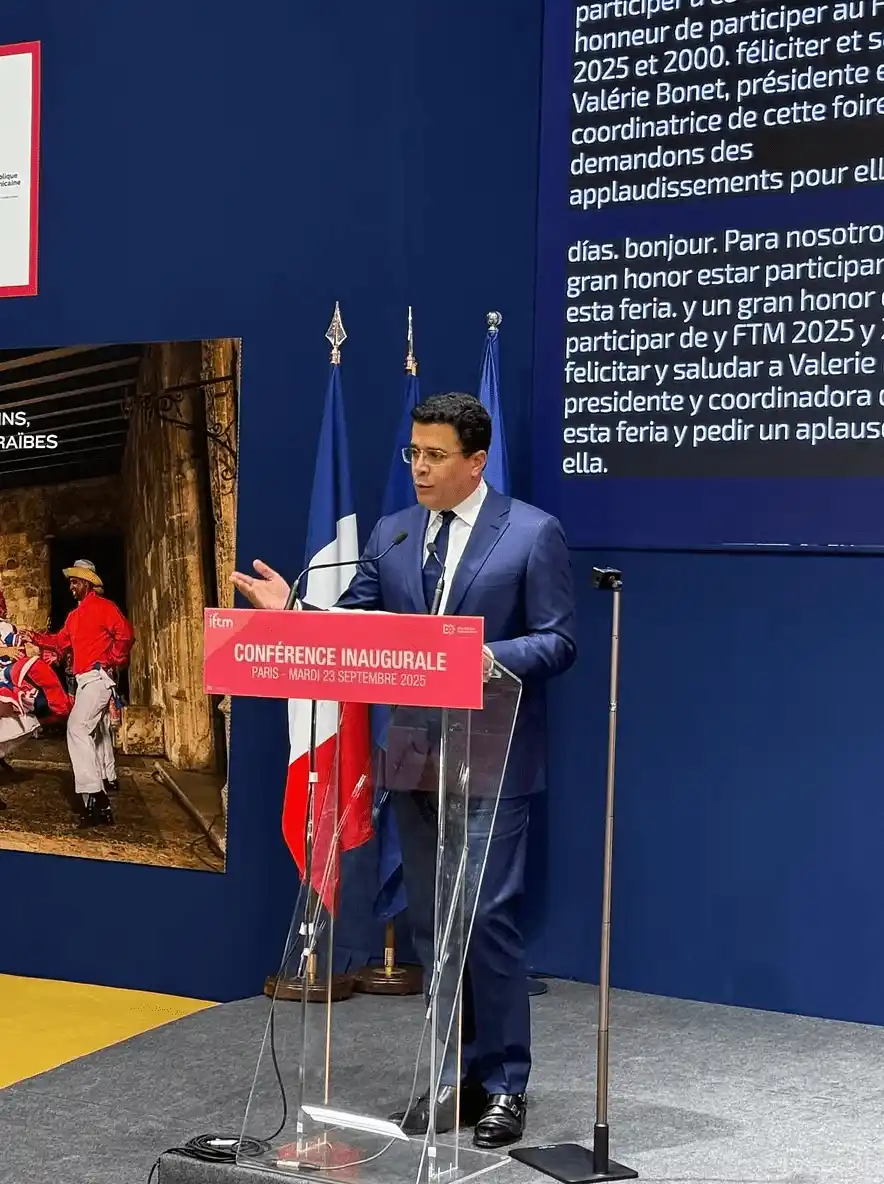
Accessibility. Same-language subtitling makes a conference accessible to deaf and hard-of-hearing attendees. In the public sector this is increasingly a legal requirement.
Affordable translation. Subtitling into eight languages costs far less than eight interpreting booths. Where each language concerns only a handful of people, the cost-benefit ratio is unbeatable.
Comprehension support. Even for an English-speaking audience, seeing the text helps with figures, proper nouns, acronyms and unfamiliar accents.
AI, human or mixed
| AI subtitling | Human subtitling | |
|---|---|---|
| Accuracy on clear speech | good | very good |
| Strong accents, cross-talk | fragile | reliable |
| Proper nouns and acronyms | unreliable without a glossary | reliable |
| Number of languages | effectively unlimited | 1 to 2 |
| Cost | low | high |
On smartphones, with no app
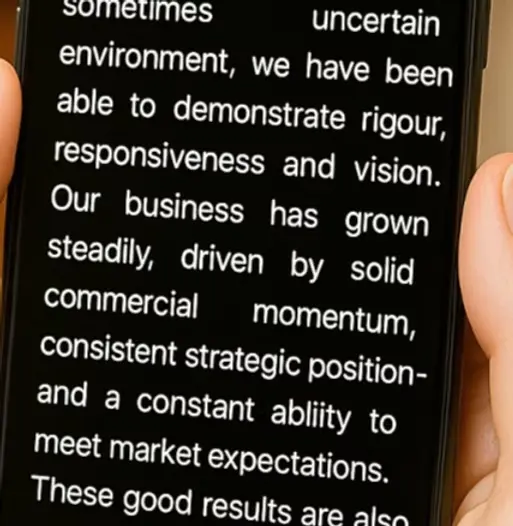
Participants scan a QR code, a web page opens in their browser, and they choose their language. No download, no account, no technical steps. This removes the entire receiver logistics — distribution, charging, collection — which on a 300-person event represents hours of work and a whole budget line.
Preparation changes everything
Any subtitling system, human or automatic, mainly fails on what it does not know: speaker names, brands, products, internal acronyms. Supplying that list in advance improves the result dramatically.